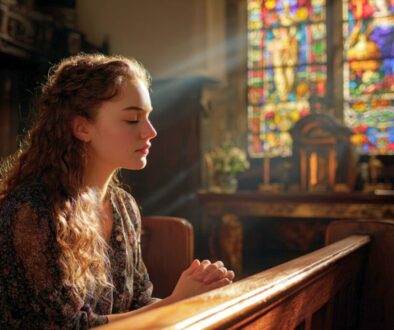
The Meaning Behind Catholic Veils and How to Wear Them

Published October 15, 2025
Have you ever noticed women wearing lace head coverings at Mass and wondered why Catholics wear chapel veils? The “mantilla,” or chapel veil, is an enduring Catholic tradition that has sparked debate. Though not universal, head coverings were common among Christian women for much of Church history, symbolizing modesty and reverence.
Though declining after the 1960s, this ancient practice is now being rediscovered by many younger Catholics. They embrace it as a meaningful act of devotion and identity, even if its rich symbolism is often unknown. In this article, we’ll explore why Catholics wear chapel veils, what they symbolize, the different types available, and how to wear them—so you can appreciate this sacred tradition and perhaps be inspired to try it yourself.
What Is The Purpose Of Veiling?
In the early Church, veiling symbolized the sacred bond between Christ and His Church. Today, many Catholics see the chapel veil as a sign of reverence and humility before God, acknowledging His presence in the Blessed Sacrament.
Likewise, sacred Church objects—like the altar, tabernacle, and chalice—are veiled because they represent the holy. Similarly, veiling expresses the belief that women, created in God’s image, embody something sacred and life-giving.
Earlier interpretations linked veiling to hierarchy, but modern understanding emphasizes it as a voluntary act of love, modesty, and devotion—a visible reminder of faith.
The Biblical Significance Of Veiling
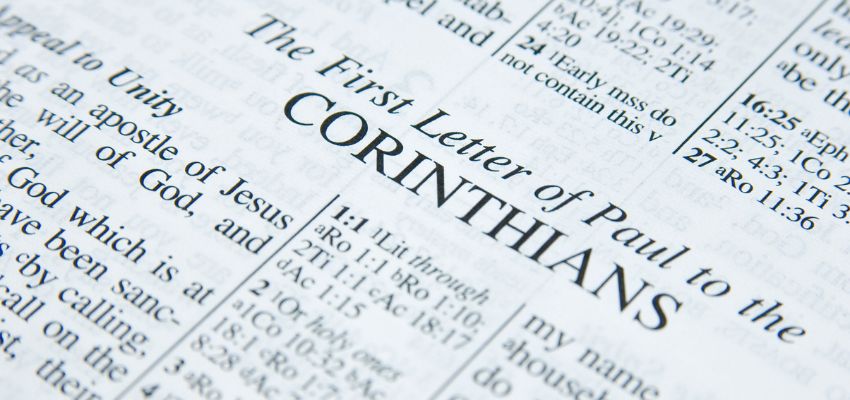
The tradition of women wearing head coverings in Christian worship traces back to St. Paul’s letter to the Corinthians:
“Judge for yourselves: Is it proper for a woman to pray to God with her head uncovered? Does not the very nature of things teach you that if a man has long hair, it is a disgrace to him, but that if a woman has long hair, it is her glory? For long hair is given to her as a covering.” (1 Corinthians 11:13-15).
Early Christians saw this passage as instructing women to wear veils during prayer. Over time, this became integral to Catholic worship and culture.
Today, interpretations of Paul’s guidance vary; some see it as cultural, others timeless. The Church no longer requires head coverings; it’s a personal devotion, often enhancing focus and humility in prayer or emulating the Virgin Mary.
Why Veiling Is Becoming Popular Again
After the 1983 Code of Canon Law removed the requirement for women to cover their heads in church, the practice faded. For years, mostly older Catholic women continued to wear veils or mantillas.
Recently, many younger women, especially at traditional liturgies, have embraced veiling again. Social media, online communities, and Catholic influencers have revived the tradition by sharing reflections and photos, reclaiming sacred beauty and visible faith.
The decision to veil is personal—some do so for reverence in prayer, some for humility, and others for identity. Many simply find it a beautiful expression of faith.
Types Of Veils Catholic Women Wear
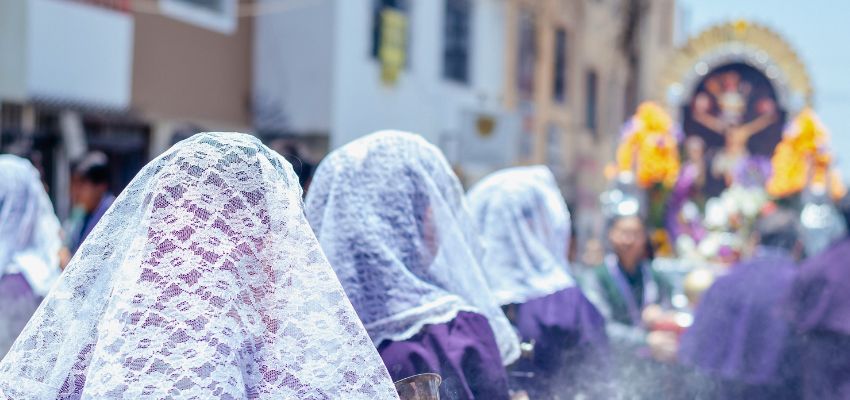
Chapel veils come in various shapes, sizes, and colors, usually made from lace or fine fabrics. Common styles include:
- Circular head veil: A simple, round design that lightly covers the top of the head.
- Semi-circular veil: Drapes over the head and extends just past the shoulders.
- Triangular veil: A classic style that forms a pointed drape down the back.
- Infinity veil: A looped design worn like a scarf for ease and versatility.
- Wrap-around veil: Long and wide, designed to wrap around the head and shoulders.
There are no specific rules for veil types; it’s a matter of personal choice. Traditionally, white veils signify purity or festive occasions, black for solemn ones, but today many select colors for personal or liturgical reasons.
What Is The Ideal Length Of A Chapel Veil?
No rule dictates veil length. Traditionally, chapel veils extended beyond the shoulders, but the ideal size depends on personal preference, religious tradition, and occasion—wedding, daily Mass, or Adoration. Some prefer long veils for tradition, others shorter ones for practicality. Ultimately, intention matters most—not the length.
How To Wear A Catholic Chapel Veil
Women typically drape the veil over the crown, letting it fall naturally. Clips, pins, or headbands help secure it. The aim is comfort and prayerfulness; handle gently when removing.
Frequently Asked Questions
Are Catholic women required to wear chapel veils today?
No, the Catholic Church no longer requires women to cover their heads in church. The obligation was removed in 1983, making veiling completely voluntary.
Why do Catholics wear veils if it’s no longer required?
Many women wear veils as a sign of devotion and respect for the sacred—a visible symbol of reverence and connection to tradition.
Can I wear a veil in any color?
No. There are no strict color rules. Many women choose colors that reflect devotion, style, or the liturgical season.
Can I start veiling even if no one else at my parish does?
Absolutely. Veiling is a personal devotion. Many women begin privately, perhaps during Adoration, before choosing to wear it at Mass.
Embracing The Beauty Of Sacred Tradition
Understanding why Catholics wear chapel veils shows a custom that, for many, is a visible sign of faith and reverence. Veiling is optional and never a measure to judge others; what matters is your prayerful disposition.
As we continue our spiritual journeys, let’s embrace traditions that bring us closer to God and honor diverse devotions. The chapel veil isn’t about appearance but about love, humility, and the beauty of surrendering ourselves to Christ.
If veiling strengthens your connection with God, the Lay Cistercians offer deeper guidance. Their contemplative life of prayer, silence, and sacred learning provides wisdom for Catholics seeking a profound connection with God. Find inspiration at LayCistercians.com.
Seek a Deeper Connection with God and Join Lay Cistercians of South Florida
Lay Cistercians of South Florida, is a community of lay people who seeks to have a deeper connection with God by living a life inspired by the monks and nuns through Lay Monasticism. Learn more about what is a Lay Cistercian on our website. Anyone who aspires to do the same as us, and is a confirmed Catholic is welcome to join us! We meet every second Saturday of the month at Emmanuel Catholic Church in Delray Beach, Florida.

This Content Has Been Reviewed For Accuracy
This content has undergone comprehensive fact-checking by our dedicated team of experts. Discover additional information about the rigorous editorial standards we adhere to on our website.

About The Author
Hello there! I’m Corinne Grace. I believe in the power of storytelling to connect and educate, which is why I strive to bring each article to life with clarity and purpose. It’s not just about what’s written, it’s about making an impact on the reader.